Marketing

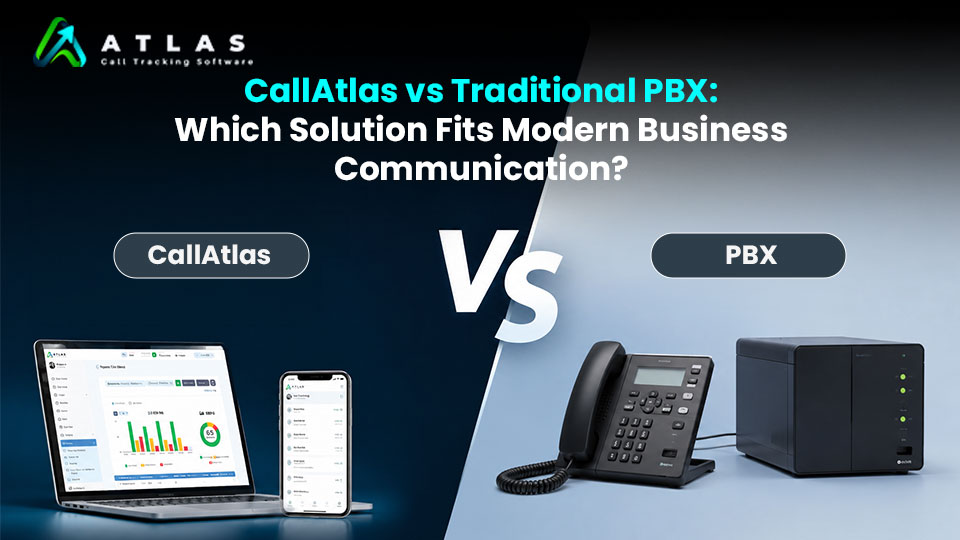
CallAtlas vs Traditional PBX

CallAtlas vs Traditional PBX: Which Solution Fits Modern Business Communication?

In modern times, phones continue to play an important role in reaching clients, generating leads, and offering customer support. In this regard, the Traditional PBX was the most used system by companies to deal with such calls. However, changes have occurred and today, in order to reach the desired success, businesses require more than just making calls—insights and analytics were needed. And here comes CallAtlas. The question then becomes, what is better, CallAtlas or a Traditional PBX? Let us find out. What Is a Traditional PBX? A Traditional PBX or Private Branch Exchange system is designed to handle internal and external communications. Employees are able to contact each other and outside contacts using this phone system. Some of the characteristics that make up a Traditional PBX are: While a Traditional PBX makes for great business call management tools, they tend to be concerned about handling calls, rather than analyzing them. What is CallAtlas? CallAtlas is an application for tracking and analyzing your calls to maximize their value. Instead of simply managing calls, CallAtlas helps businesses answer questions like: By turning phone conversations into actionable insights, CallAtlas helps businesses make smarter decisions and improve overall performance. CallAtlas vs Traditional PBX: Feature Comparison Feature Traditional PBX CallAtlas Call Routing Yes Integrates with existing systems Voicemail Yes Depends on integration Call Recording Limited Advanced recording and analysis Marketing Attribution No Yes Lead Tracking No Yes Call Analytics Basic Detailed and actionable Agent Performance Monitoring Limited Comprehensive AI Insights No Yes Campaign Tracking No Yes Custom Reporting Limited Extensive Traditional PBX: Strengths and Limitations Traditional PBX systems are reliable for handling business calls. They are ideal for companies that need: However, Traditional PBX systems have limitations in today’s data-driven environment. They often lack: For businesses investing in marketing and customer acquisition, these missing insights can make it difficult to understand what is working and where improvements are needed. Why Businesses Need More Than Call Management Modern businesses don’t just want to answer calls—they want to understand them. Imagine running multiple marketing campaigns across search engines, social media, and websites. If the phone rings, can you tell exactly which campaign generated that lead? Can you identify: A Traditional PBX typically cannot answer these questions. CallAtlas is built to provide these answers through call tracking, analytics, and reporting. When Should You Choose a Traditional PBX? A Traditional PBX may be the right choice if: For many organizations, PBX remains a dependable communication foundation. When Should You Choose CallAtlas? CallAtlas is a great choice if you want to: If your business relies on phone calls for sales, support, or lead generation, CallAtlas helps you turn every conversation into valuable business intelligence. Can CallAtlas Work Alongside Your PBX? Absolutely. CallAtlas is not designed to replace your existing phone system—it enhances it. Businesses can continue using their PBX or VoIP system while leveraging CallAtlas for: This allows businesses to keep their existing communication infrastructure while gaining deeper visibility into customer interactions. Final Thoughts Traditional PBX systems have been the backbone of business communication for decades, and they continue to serve an important purpose. But in today’s competitive environment, businesses need more than just call management. They need visibility into where calls come from, how customers interact, and which strategies drive results. While Traditional PBX focuses on connecting calls, CallAtlas focuses on helping businesses understand and optimize those conversations. If your goal is simply to manage calls, a Traditional PBX may be enough. But if your goal is to turn calls into insights, improve marketing ROI, and make smarter business decisions, CallAtlas offers the tools modern businesses need.

CallAtlas vs Traditional PBX: Which Solution Fits Modern Business Communication? Read More »
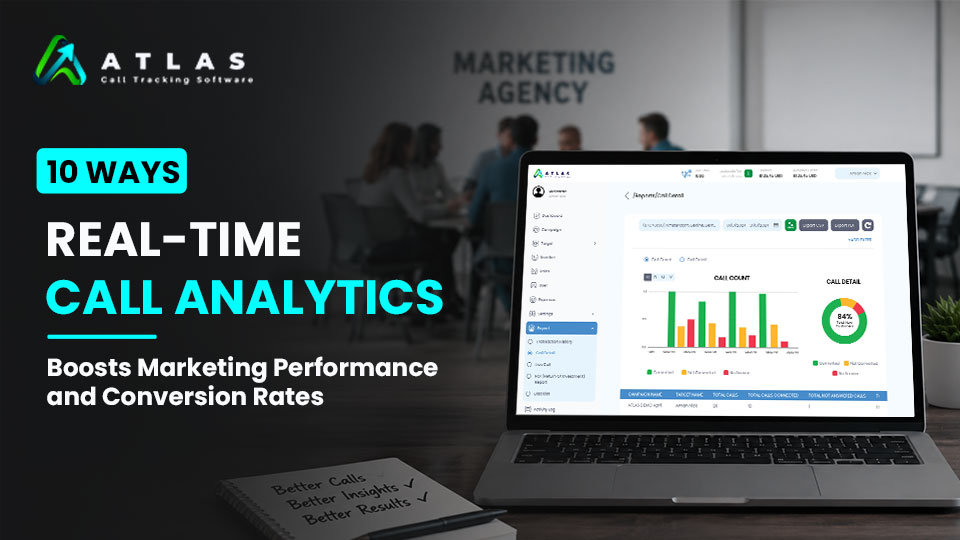
10 Ways Real-Time Call Analytics Boosts Marketing Performance and Conversion Rates

10 Ways Real-Time Call Analytics Boosts Marketing Performance & Conversion Rates

In today’s competitive market, businesses need more than just traffic and leads — they need insights. While digital analytics tools track clicks, impressions, and website visits, phone calls often remain one of the most valuable yet overlooked conversion sources. This is where real-time call analytics becomes a game changer. Real-time call analytics helps marketing teams track, analyze, and optimize customer calls as they happen. From understanding campaign performance to improving lead quality, it gives businesses the data needed to make smarter marketing decisions and increase conversions. Here are 10 ways real-time call analytics can improve marketing performance and drive better results. 1. Track Which Campaigns Generate Phone Calls Many businesses invest in multiple marketing channels such as Google Ads, SEO, social media, and email campaigns. Real-time call analytics helps identify which campaigns are generating the most inbound calls and qualified leads. This allows marketing teams to focus their budget on channels that deliver actual conversions instead of just clicks. 2. Improve Lead Quality Analysis Not every phone call becomes a customer. Real-time analytics helps marketers understand which campaigns bring high-intent callers and which attract low-quality leads. By analyzing call duration, outcomes, and caller behavior, businesses can refine targeting strategies and improve lead quality over time. 3. Optimize Marketing Spend Marketing budgets can quickly be wasted on underperforming campaigns. Real-time call tracking and analytics provide instant visibility into campaign performance, helping teams pause ineffective ads and scale successful ones faster. This leads to better ROI and more efficient budget allocation. 4. Understand Customer Intent Faster Call analytics tools can reveal why customers are calling, what products they are interested in, and what concerns they have. These insights help marketing teams create more targeted ads, landing pages, and messaging that better match customer intent. 5. Measure Offline Conversions Accurately Many businesses struggle to connect online campaigns with offline phone conversions. Real-time call analytics bridges this gap by attributing calls to specific campaigns, keywords, or traffic sources. This gives marketers a complete picture of the customer journey. 6. Improve Team Response Time Speed matters when handling leads. Real-time alerts and live call monitoring help teams respond quickly to inbound inquiries, reducing missed opportunities and improving customer experience. Faster response times often lead to higher conversion rates. 7. Identify High-Converting Keywords For businesses running PPC campaigns, understanding which keywords generate valuable phone calls is extremely important. Real-time call analytics helps marketers discover high-performing keywords that drive quality leads, helping improve both ad targeting and conversion performance. 8. Enhance Customer Experience Analyzing customer conversations in real time helps businesses identify common pain points, complaints, or frequently asked questions. Marketing teams can use this information to improve messaging, update FAQs, create better content, and deliver a smoother customer experience. 9. Gain Actionable Insights with AI-Powered Analytics Modern call analytics platforms often include AI-powered features such as call transcription, sentiment analysis, and keyword detection. These tools help marketers quickly understand customer behavior trends and make data-driven decisions without manually reviewing every call. 10. Increase Overall Conversion Rates When businesses understand which campaigns work, what customers want, and how teams handle calls, they can optimize every stage of the conversion funnel. The result is better lead management, improved campaign performance, and higher conversion rates. Final Thoughts Real-time call analytics is no longer just a sales tool — it has become an essential part of modern marketing strategy. By providing instant insights into customer interactions and campaign performance, businesses can make faster decisions, improve targeting, and maximize conversions. For companies that rely on inbound calls, investing in real-time call analytics can lead to smarter marketing, better customer experiences, and stronger business growth.

10 Ways Real-Time Call Analytics Boosts Marketing Performance & Conversion Rates Read More »

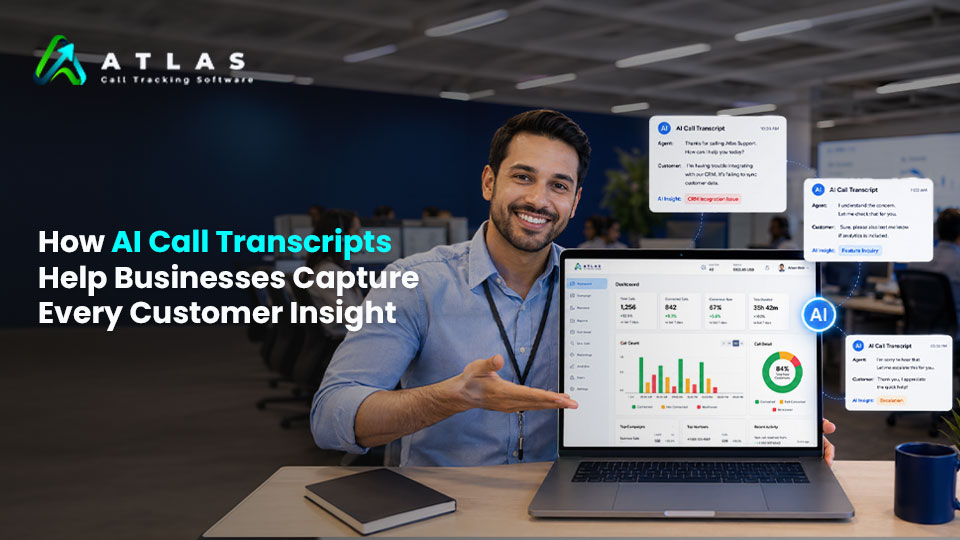
How AI Call Transcripts Help Businesses Capture Every Customer Insight

How AI Call Transcripts Help Businesses Capture Every Customer Insight

Customer calls contain valuable information that businesses often miss. Sales objections, customer pain points, buying intent, support issues, and conversion opportunities are all hidden inside conversations. But manually listening to every call takes time and resources. This is where CallAtlas AI Call Transcripts help businesses turn every conversation into actionable insights. What Are AI Call Transcripts? AI call transcripts automatically convert phone conversations into readable text using artificial intelligence. Instead of replaying recordings multiple times, teams can quickly review conversations, search keywords, and identify important customer insights in seconds. With AI-powered transcription, businesses can: Why Businesses Need AI Call Transcripts Many businesses receive dozens or even hundreds of calls daily. Without transcripts, valuable information can easily get lost. Common challenges include: AI transcripts solve these problems by making conversations searchable, organized, and easy to analyze. How AI Call Transcripts Improve Sales Teams Sales calls often reveal why prospects buy — or why they don’t. AI transcripts help sales teams: Managers can quickly review conversations and identify which approaches generate better conversions. For example, if multiple customers mention pricing concerns, businesses can adjust offers, scripts, or sales strategies immediately. Better Customer Support Through Call Insights Support teams handle customer complaints, technical issues, and service requests every day. AI transcripts help businesses detect recurring problems faster. Benefits for support teams include: Instead of manually checking recordings, supervisors can review transcripts instantly and focus on improving customer satisfaction. Search Conversations in Seconds One of the biggest advantages of AI transcripts is keyword search functionality. Businesses can quickly search: This saves significant time compared to listening to hours of recordings manually. Improve Marketing & Lead Tracking Marketing teams can use AI transcripts to understand what customers actually say during calls. This helps businesses: When connected with call tracking systems, AI transcripts provide deeper visibility into which campaigns generate quality leads and conversions. Enhance Team Training & Performance AI call transcripts make employee training easier and more effective. Managers can: This helps improve overall team performance without spending hours reviewing recordings manually. Increase Business Efficiency Manual call reviews consume valuable time. AI-powered transcription automates the process and helps teams work faster. Businesses can: As call volumes grow, AI transcripts become essential for maintaining quality and operational efficiency. Why Businesses Choose CallAtlas AI Transcripts CallAtlas AI Transcripts help businesses turn everyday conversations into valuable business intelligence. With features like: Businesses can improve customer experience, optimize marketing performance, and make smarter decisions using real conversation data. Conclusion Every customer call contains insights that can improve sales, support, and marketing performance. Without AI transcription, businesses risk losing valuable information hidden inside conversations. AI Call Transcripts help companies capture, organize, and analyze customer interactions more efficiently — turning every call into an opportunity for growth.

How AI Call Transcripts Help Businesses Capture Every Customer Insight Read More »

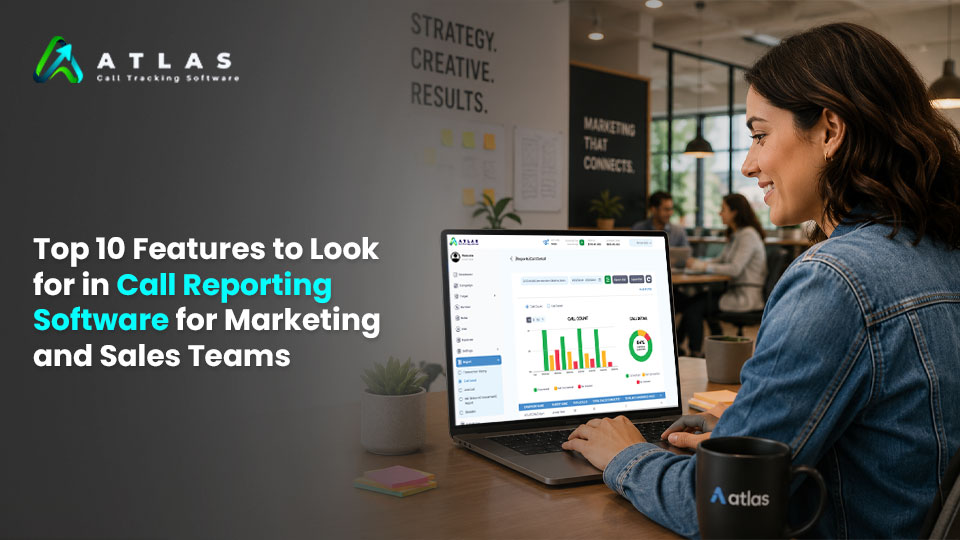
Top 10 Features to Look for in Call Reporting Software

Top 10 Features to Look for in Call Reporting Software

In today’s competitive market, phone calls are still one of the highest-converting lead sources for businesses. Whether you run digital marketing campaigns, manage a sales team, or handle customer inquiries, having the right call reporting software can help you understand where your calls come from, how your team performs, and which campaigns generate real revenue. But not all call reporting tools offer the same value. Choosing the right platform can make a huge difference in lead tracking, campaign optimization, and customer experience. Here are the top 10 features you should look for in call reporting software for your marketing and sales teams. 1. Call Tracking and Source Attribution One of the most important features is the ability to track where calls originate. Good call reporting software should show whether a call came from: This helps marketing teams understand which campaigns drive the most valuable calls and leads. 2. Real-Time Call Reporting Real-time reporting allows teams to monitor incoming calls instantly. You should be able to view: With live insights, sales teams can respond faster and reduce missed opportunities. 3. Call Recording Call recording is essential for quality monitoring and training. It helps businesses: Recorded calls also help managers identify areas where teams can improve communication and conversions. 4. Detailed Analytics Dashboard A powerful analytics dashboard gives businesses a complete overview of performance metrics in one place. Look for dashboards that include: Easy-to-read dashboards help teams make data-driven decisions quickly. 5. Lead Qualification Insights Modern call reporting software should help identify high-intent leads. Features like call scoring, tagging, and AI-powered insights can help sales teams prioritize valuable prospects. This improves conversion rates and saves time by focusing on leads most likely to convert. 6. CRM Integration Integration with CRM platforms is a must-have feature. Your call reporting software should connect smoothly with tools like: CRM integration keeps customer data organized and allows teams to track the entire customer journey from the first call to final conversion. 7. Multi-Channel Campaign Tracking Marketing teams often run campaigns across multiple channels. The right software should track calls from: This provides a complete picture of marketing performance across all platforms. 8. Missed Call Alerts and Notifications Missed calls can mean lost revenue. Advanced call reporting software should send instant notifications for missed or unanswered calls. This allows teams to follow up quickly and improve customer response times. 9. Custom Reporting Options Every business tracks different KPIs. Look for software that allows you to create customized reports based on: Custom reports make it easier to share insights with stakeholders and clients. 10. User-Friendly Interface Even the most advanced software becomes difficult to use if the interface is confusing. A clean and simple dashboard helps teams: The best platforms combine powerful features with an easy-to-use experience. Final Thoughts Choosing the right call reporting software can help marketing and sales teams improve lead tracking, optimize campaigns, and increase conversions. From real-time analytics to CRM integration and call recording, the right features can turn every inbound call into valuable business insights. If your business depends on phone leads, investing in advanced call reporting software is no longer optional — it’s essential for growth and performance tracking. Looking for a smarter way to track and manage inbound calls? CallAtlas helps businesses monitor campaigns, analyze call performance, and convert more leads with powerful call tracking and reporting features.

Top 10 Features to Look for in Call Reporting Software Read More »

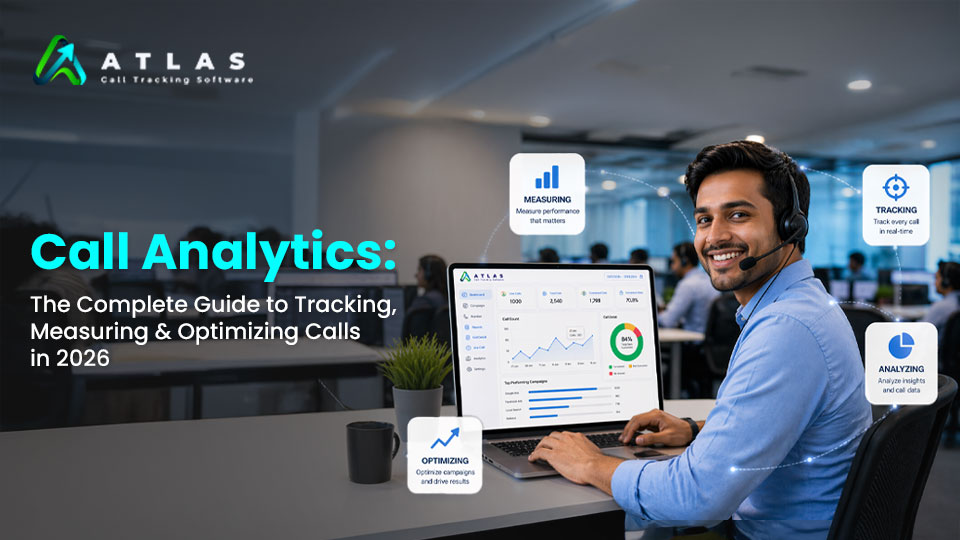
what is call analytics and how does it work?

What is Call Analytics and How Does it Work? (A Complete Guide)

In today’s highly competitive and data-driven marketing environment, businesses need deeper insights than just clicks, impressions, and form submissions to measure success. A large share of high-intent customer interactions still happens through phone calls—especially in industries where customers prefer direct communication before making decisions. However, many businesses fail to capture and analyze these conversations, leading to missed opportunities and incomplete performance tracking. This is where Call Analytics plays a crucial role. Call analytics goes beyond basic call tracking by providing detailed insights into caller behavior, conversation quality, and campaign effectiveness. It helps businesses connect online marketing efforts with offline conversions, giving a complete view of the customer journey. In this blog, we break down what call analytics is, how it works step-by-step, its key benefits, the tools available, and how it helps improve marketing ROI—so you can make smarter, data-backed decisions. What is Call Analytics? Call Analytics is the process of tracking, recording, analyzing, and interpreting phone call data to understand customer behavior, marketing performance, and sales effectiveness. It helps businesses turn inbound and outbound calls into actionable insights. Unlike basic call tracking, call analytics goes deeper by capturing: In simple words, Call Analytics tells you not just where calls come from, but what happens during the call and how valuable it is. Why Call Analytics is Important in 2026 Even with digital transformation, phone calls remain one of the highest-converting channels—especially in industries like: Many businesses invest heavily in ads but fail to track call outcomes. This creates a major gap in understanding ROI. Call Analytics solves this by: Call Analytics vs Call Tracking Feature Call Tracking Call Analytics Tracks call source ✅ ✅ Records calls ❌/Limited ✅ Conversation insights ❌ ✅ AI-based analysis ❌ ✅ ROI measurement Basic Advanced 👉 Call Tracking tells you where the call came from👉 Call Analytics tells you what happened and why it matters Key Components of Call Analytics Real-World Example Imagine you’re running Google Ads and Facebook campaigns. Without call analytics: With call analytics: 👉 This turns guesswork into data-driven decisions. How Call Analytics Works Understanding how Call Analytics works will help you see how raw call data turns into meaningful business insights. Step 1: Call Tracking Setup The process starts by assigning unique phone numbers to different marketing channels using Dynamic Number Insertion (DNI). For example: When a user visits your website, the system dynamically displays a unique number based on the source. 👉 This ensures every call is properly attributed. Step 2: Call Routing & Connection When a customer dials the number: Advanced systems can also: Step 3: Call Recording & Data Capture Every call is recorded and stored securely. Key data captured includes: This raw data forms the foundation for deeper analysis. Step 4: AI-Powered Call Analysis This is where Call Analytics becomes powerful. Using AI and speech recognition, the system: 👉 This helps businesses understand what customers actually want. Step 5: Call Attribution & Scoring Each call is linked back to: Additionally, calls can be scored based on: Example: Step 6: Reporting & Insights Dashboard All collected data is displayed in dashboards that show: This allows marketers to: Step 7: Integration with CRM & Marketing Tools Modern Call Analytics tools integrate with: 👉 This creates a unified view of the customer journey—from click to call to conversion. Key Benefits of Call Analytics for Businesses Call Analytics is not just a tracking tool—it’s a powerful system that directly impacts marketing performance, sales efficiency, and overall business growth. 1. Accurate Marketing Attribution One of the biggest challenges in marketing is understanding which campaigns actually drive results. Call Analytics solves this by: 👉 You no longer rely only on clicks—you measure real conversations. 2. Improved Lead Quality & Conversion Rates Not all calls are equal. Some are high-intent leads, while others are just inquiries. With Call Analytics, you can: 👉 This helps sales teams prioritize better and close more deals. 3. Better Customer Insights Call conversations are a goldmine of customer data. Using analytics, you can: 👉 This insight can improve your: 4. Enhanced Sales Team Performance Call Analytics allows you to evaluate how your team handles calls. You can: 👉 This helps in: 5. Reduced Missed Opportunities Missed calls = lost revenue. Call Analytics helps by: 👉 This ensures no potential customer is ignored. 6. Data-Driven Decision Making Instead of relying on assumptions, you get real data to guide decisions. You can: 👉 Every decision becomes smarter and more profitable. 7. Personalization & Better Customer Experience By analyzing past interactions, businesses can: 👉 This leads to higher customer satisfaction and loyalty. 8. Compliance & Quality Assurance Call recording and analytics also help ensure: 9. Competitive Advantage Businesses using Call Analytics gain an edge by: 👉 In competitive industries, this can be a game-changer. 10. Scalability for Growth As your business grows, managing calls manually becomes impossible. Call Analytics systems: 👉 This makes scaling smooth and efficient. To fully leverage Call Analytics, businesses rely on specialized tools that combine tracking, AI insights, and integrations. These tools not only simplify data collection but also directly impact marketing ROI (Return on Investment). Top Call Analytics Tools in the Market Here are some popular tools businesses use: 👉 And if you’re building a scalable pay-per-call ecosystem, platforms like CallAtlas can integrate call analytics with advanced attribution and marketplace features. Key Features to Look for in Call Analytics Tools When choosing a tool, consider these must-have features: 👉 The right combination of these features ensures maximum ROI impact. How Call Analytics Improves Marketing ROI 1. Identifying High-Performing Channels Call Analytics shows exactly which channels drive valuable calls: 👉 You can shift budget to channels that generate real conversions—not just clicks. 2. Optimizing Keyword-Level Performance Instead of guessing which keywords work, you can: 👉 This reduces wasted ad spend and increases efficiency. 3. Reducing Cost Per Acquisition (CPA) By focusing on high-quality leads: 👉 Result: Lower CPA and higher profitability. 4. Improving Conversion Rates Call Analytics helps identify: 👉 This leads to: 5. Closing the

What is Call Analytics and How Does it Work? (A Complete Guide) Read More »