What is the difference between inbound and outbound calls
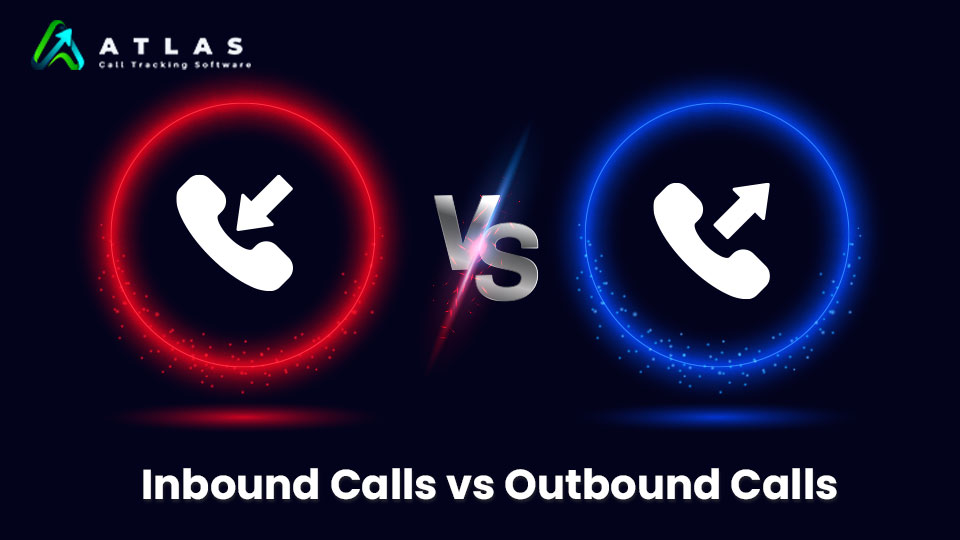
Inbound and outbound call centers are two sides of the same coin, both handling essential business functions but with entirely different focuses. Understanding the differences between inbound and outbound call centers, along with their unique value, can help you determine how to best utilize them for your business. Let’s explore these distinctions and uncover what each type of call center brings to the table. In this Article, We will discuss What are inbound calls? Key Features of Inbound Calls What are Inbound calls centres? industries that requires inbound calls What are outbound calls? Key Features of Outbound Calls What are outbound call centres? industries that requires outbound calls Difference between inbound and outbound calls How Can You Improve Your Inbound Call Strategy? How Can You Improve Your outbound Call Strategy? Conclusion What Are Inbound Calls? Inbound calls are customer-initiated calls to a business, typically seeking assistance, information, or solutions to specific issues. These calls usually go to a company’s customer service or support team, making them a vital touchpoint for customer interaction. For example, a customer might call to: Resolve a technical issue with a product. Inquire about service availability or pricing. Report a problem with a purchase or delivery. Seek advice on using a product or service effectively. Inbound call centers prioritize customer satisfaction. They aim to address concerns efficiently while ensuring the caller has a positive experience. This direct communication not only solves problems but also builds trust and loyalty. Key Features of Inbound Calls Inbound calls have distinct characteristics that differentiate them from outbound calls. Here are the key features: 1. Customer-Initiated Contact Inbound calls are driven by customers reaching out for help. The business acts as the receiver, responding to customer needs rather than initiating communication. 2. Focus on Customer Service The primary goal is to assist callers by answering questions, resolving issues, or providing support. A successful inbound call leaves the customer satisfied and more likely to continue using the business’s products or services. 3. Specialized Tools for Efficiency Inbound call centers often use advanced technologies to streamline operations and enhance the customer experience. Key tools include: Interactive Voice Response (IVR): A system that provides menu options, directing callers to the appropriate department. Automatic Call Distribution (ACD): Efficiently routes incoming calls to the right agents based on skills or availability. Customer Relationship Management (CRM): Stores customer data, enabling agents to provide personalized support. 4. Metrics for Performance Measurement The success of inbound call strategies is measured using various metrics, including: First Call Resolution (FCR): The percentage of issues resolved during the first call. Customer Satisfaction (CSAT): Measures how happy customers are with the service. Average Handling Time (AHT): The average time agents take to resolve a call. What are Inbound Call centers? Inbound call centers handle calls from customers who reach out for assistance or information. These calls are customer-initiated, with the main focus on addressing their needs. The goal is to resolve issues quickly and leave customers satisfied. Inbound call centers are where customers turn when they need support, ensuring their problems are solved and their experience is positive. Industries That Require Inbound Calls Inbound call centers are indispensable for industries where customer interaction and satisfaction are paramount. Here’s a look at the sectors that heavily rely on inbound calls: 1. E-commerce and Retail Online stores and retail businesses often handle a high volume of customer queries, such as: Questions about product specifications and availability. Assistance with online transactions or payment issues. Support for returns, refunds, and exchanges. For instance, an e-commerce platform might have a dedicated team to help customers track their orders or resolve delivery issues, ensuring a seamless shopping experience. 2. Healthcare Hospitals, clinics, and telemedicine providers depend on inbound calls to manage patient care effectively. Common examples include: Scheduling appointments or consultations. Providing information about treatments or services. Addressing billing inquiries or insurance claims. Inbound calls in healthcare help maintain smooth communication, ensuring patients receive timely and accurate information. 3. Banking and Financial Services Banks and financial institutions rely on inbound calls to assist customers with: Account-related inquiries (e.g., balance checks, transaction history). Loan applications or mortgage assistance. Reporting lost or stolen cards and resolving fraud issues. By offering prompt support, these institutions build trust and enhance customer loyalty. 4. Travel and Hospitality In the travel industry, inbound calls are vital for: Booking flights, hotels, or holiday packages. Addressing changes or cancellations in reservations. Resolving issues related to lost baggage or delayed flights. Good customer service in this sector ensures travelers feel supported and valued, encouraging repeat bookings. 5. Technology and IT Support Tech companies and IT service providers use inbound calls for technical assistance. Examples include: Troubleshooting software or hardware issues. Guiding customers through installations or updates. Addressing cybersecurity concerns or system malfunctions. Efficient inbound support minimizes downtime and enhances the user experience. 6. Telecommunications Telecom companies handle inbound calls for services like: Activating or deactivating mobile or internet plans. Troubleshooting network issues. Resolving billing disputes or upgrading services. By providing excellent inbound support, telecom companies can reduce churn and maintain customer satisfaction. What Are Outbound Calls Outbound calls are phone calls made by a company’s representatives to individuals, whether they are current customers or prospects. Unlike inbound calls, where customers contact businesses, outbound calls are initiated by the company for specific purposes. Some of the most common reasons for outbound calls include: Sales and Lead Generation: Reaching out to prospects to introduce products or services. Customer Retention: Following up with existing customers to enhance satisfaction or encourage loyalty. Surveys and Feedback Collection: Gathering insights on customer experiences and preferences. Appointment Scheduling: Confirming or reminding customers about upcoming appointments or events. Fundraising Campaigns: Contacting donors or supporters for charitable causes. Outbound calls allow businesses to establish a direct connection with their audience, offering opportunities to engage in meaningful conversations and strengthen relationships. Key Features of Outbound Calls Outbound calls differ significantly from inbound calls, as they are centered on actively reaching out rather than responding to customer needs. Here are the primary features that define outbound calls: 1. Business-Initiated Contact Outbound calls are initiated by
What is the difference between inbound and outbound calls Read More »