Shivam Pokhriyal

How to Track Sales Calls with Call Tracking Software

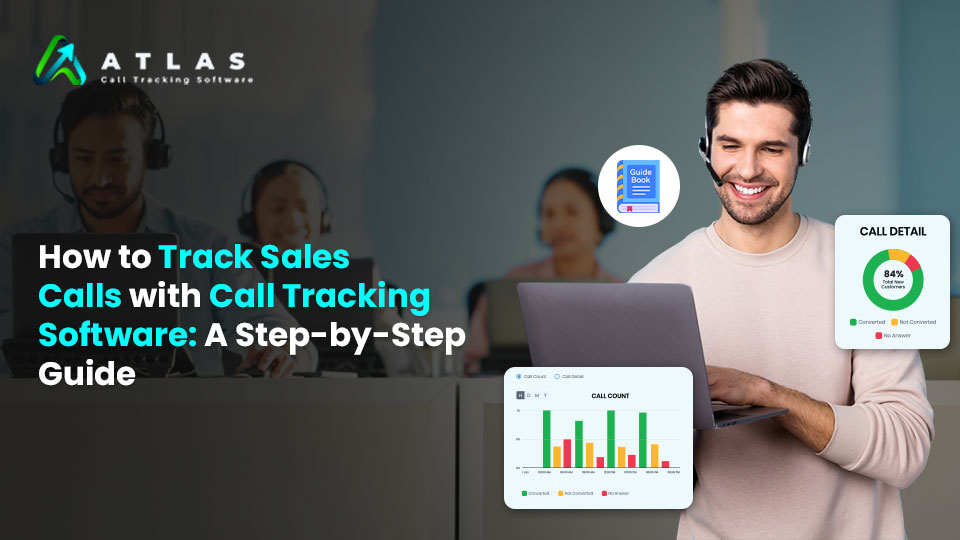
How to Track Sales Calls with Call Tracking Software: A Step-by-Step Guide

In today’s competitive market, businesses rely on every lead and customer interaction to drive growth. Phone calls, especially sales calls, play a major role in converting prospects into paying customers. But without proper tracking, it’s easy to lose visibility into which campaigns are working, how leads are engaging, or what’s happening during those calls. That’s where call tracking software comes in. In this blog, we’ll walk you through how to track sales calls using call tracking software, why it matters, the benefits, and how your business can turn more calls into conversions using data-driven strategies. What Is Call Tracking Software? Call tracking software is a tool that allows businesses to monitor, analyze, and manage incoming phone calls. It helps you understand which marketing campaigns, keywords, ads, or sources are generating calls—and what happens during those conversations. For sales teams and marketers, this is a powerful way to: Modern tools like CallAtlas, CallRail, and Ringba offer detailed analytics, call recordings, real-time dashboards, and CRM integrations to streamline the entire process. Why Tracking Sales Calls Is Important Here’s why tracking your sales calls is no longer optional: Step-by-Step Guide: How to Track Sales Calls with Call Tracking Software Step 1: Choose the Right Call Tracking Software Not all platforms are built the same. Choose software that supports: CallAtlas is one such tool built for marketing agencies and sales-focused teams. It offers real-time insights, custom numbers, publisher management, and lead tracking. Step 2: Set Up Virtual Phone Numbers Once you sign up for the software, the next step is to generate virtual phone numbers. These numbers are assigned to specific campaigns or channels (e.g., one for Google Ads, one for Facebook Ads, one for your website). Each time someone calls one of those numbers, the software tracks the source automatically. Example: This allows you to attribute each call accurately. Step 3: Implement Dynamic Number Insertion (DNI) For online campaigns, use Dynamic Number Insertion (DNI). This technology displays different phone numbers to visitors based on how they reached your website (organic search, paid ads, social media, etc.). It helps you track the exact journey of each caller, making it easier to understand which channels drive the most conversions. Step 4: Monitor Real-Time Data and Call Logs Most call tracking platforms offer a real-time dashboard where you can: This is helpful for making on-the-fly marketing decisions and identifying missed opportunities. Step 5: Record and Analyze Sales Calls Call recording allows you to: Many platforms also include keyword spotting and transcripts to help you filter and categorize calls. Step 6: Integrate with Your CRM Most businesses use CRM platforms like HubSpot, Salesforce, Zoho, or Pipedrive. Call tracking software integrates with these tools to: This improves lead nurturing and follow-up efforts. Step 7: Score and Qualify Leads Use data like: …to score and qualify leads. High-intent leads can be prioritized by your sales team, improving response time and conversion chances. Step 8: Use Insights to Optimize Campaigns Once you have enough data, you can: This is where call tracking becomes a growth engine for your marketing and sales strategy. Key Features to Look for in Call Tracking Software Feature Why It Matters Virtual Numbers Assign numbers to different campaigns for better attribution Call Recording Improve sales scripts and coaching Real-Time Monitoring Take instant actions based on live call performance CRM Integration Keep lead data organized and actionable Keyword Tracking Spot common pain points or buying signals Geo-Tracking Understand where your best leads are coming from Call Routing Direct calls to the right sales rep instantly Frequently Asked Questions Conclusion: Tracking sales calls is no longer just about knowing how many calls you got. It’s about understanding who called, why they called, where they came from, and what happened next. With the right call tracking software, you can turn every call into a measurable, actionable insight. Whether you’re a marketing agency, small business, or enterprise sales team, call tracking helps you: Start with a platform like CallAtlas to get full visibility into your call performance and scale your sales strategy with confidence.

How to Track Sales Calls with Call Tracking Software: A Step-by-Step Guide Read More »
what is real-time call monitoring and its importance

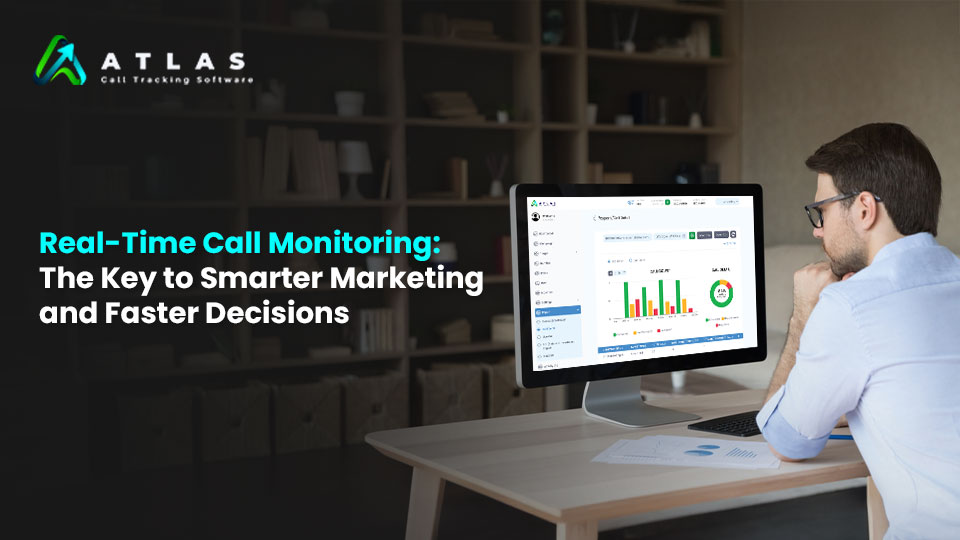
What is Real-Time Call Monitoring – A Complete Detailed Guide

In today’s fast-paced digital world, where customer experience, data accuracy, and instant insights matter more than ever, real-time call monitoring has emerged as a game-changing tool for businesses—especially for marketing teams, agencies, and call-based service providers. But what exactly is real-time call monitoring, and why is it considered essential in 2025? Let’s dive deep into its meaning, benefits, and the critical role it plays in marketing performance and fast decision-making. What Is Real-Time Call Monitoring? Real-time call monitoring refers to the process of listening to or analyzing customer phone calls as they happen. It allows supervisors, marketers, and quality assurance teams to: Unlike post-call recordings or delayed analytics, real-time monitoring gives you access to the ongoing conversation in real-time, which can be incredibly valuable for improving customer service and campaign performance. How Does Real-Time Call Monitoring Work? Most modern call tracking platforms (like Atlas, Ringba, or CallRail) include real-time monitoring as a feature. Here’s how it works: This allows for real-time quality checks, lead validation, and even on-the-fly coaching during important sales or support calls. Why Real-Time Call Monitoring Matters in 2025 In 2025, customer expectations are higher than ever. Delays in identifying problems or missing out on high-quality leads can cost businesses thousands. That’s where real-time monitoring stands out. 1. Instant Insights for Faster Decisions In digital marketing, timing is everything. With real-time call monitoring, marketers can: This helps in optimizing ad spend and improving ROI without waiting for end-of-day reports. 2. Enhanced Customer Experience Real-time monitoring allows businesses to: This immediate responsiveness builds trust and improves customer satisfaction (CSAT). 3. Better Lead Qualification Not all calls are equal. With live call data, you can: This ensures your sales reps prioritize the right opportunities when it matters most. 4. Live Campaign Monitoring For marketers running pay-per-call or local ad campaigns, real-time monitoring enables: This is crucial for performance marketers, affiliate networks, and ad agencies looking to stay agile. 5. Improved Team Performance & Training With real-time call listening, team leaders can: This boosts overall productivity, reduces call handling time, and enhances the quality of conversations. Benefits of Real-Time Call Monitoring at a Glance Benefit Description Instant Data Get real-time insights on calls, caller intent, and campaign performance Higher ROI Optimize ad spend based on live performance data Quality Control Improve call handling, reduce errors, and boost customer trust Faster Decision-Making React immediately to market trends and campaign issues Team Productivity Identify and fix performance gaps while calls are happening 🔗 Real-Time Call Monitoring & Marketing: A Powerful Combo In the world of performance marketing, real-time call monitoring gives your team a competitive edge. Whether you’re running Google Ads, Facebook campaigns, affiliate traffic, or inbound marketing, being able to track calls as they happen helps you: Call tracking platforms like CallAtlas make this even easier with real-time dashboards, instant alerts, lead scoring, and call routing. It’s built specifically for marketing agencies, advertisers, and pay-per-call professionals. 🛠 Who Should Use Real-Time Call Monitoring? If your business depends on inbound calls, this tool is not optional—it’s essential. Final Thoughts In 2025, real-time call monitoring is not just a nice-to-have feature. It’s the backbone of agile, data-driven marketing and top-tier customer service. By gaining immediate visibility into live conversations, you can optimize performance, convert more leads, and make smarter business decisions faster than ever before. So, whether you’re a marketing agency, a call-driven business, or an advertiser—real-time call monitoring is your key to staying ahead of the curve.

What is Real-Time Call Monitoring – A Complete Detailed Guide Read More »

How to Start a Pay-Per-Call Business - A Complete Beginner's Guide

How to Start a Pay-Per-Call Business in 2025: A Complete Beginner’s Guide

In today’s digital world, marketing strategies are constantly evolving. One strategy that’s gaining a lot of popularity in 2025 is Pay-Per-Call marketing. If you’re new to the concept or planning to start your own pay-per-call business then we here here for you. In this beginner-friendly guide will teach you how to start a pay-per-call business in 2025 and take it to the next level by just following these points in our article and also one important things to focus that avoid mistakes that beginner mostly do, So let’s start the complete guide. What is Pay-Per-Call? Pay-Per-Call (PPC) is a type of performance-based marketing where businesses pay you for each qualified phone call that potential customers make through your campaigns. Unlike Pay-Per-Click (PPC), which focuses on website visits, Pay-Per-Call drives high-intent leads directly to businesses via phone calls. Think of it like affiliate marketing, but instead of clicks, you earn money for every phone call that leads to a sale or meaningful interaction. Why Start a Pay-Per-Call Business in 2025? Here are some reasons why Pay-Per-Call is a great business model in 2025: Step-by-Step Guide to Starting a Pay-Per-Call Business 1. Understand the Basics Before diving in, learn how the Pay-Per-Call ecosystem works: 2. Choose Your Niche or Target Audience Picking the right niche is crucial. Some high-performing niches include: Choose a niche with: 3. Sign Up with Pay-Per-Call Networks These networks give you access to offers and help track calls: Look for networks that: 4. Get a Call Tracking Software To run a professional Pay-Per-Call business, you need a reliable call tracking platform. This helps: Top Pay-Per-Call Tracking Software in 2025: 5. Build a Website or Landing Page You need a platform to drive traffic to. Build a simple website or landing page that: Tip: Use tools like WordPress, Unbounce, or Leadpages to create landing pages quickly. 6. Drive Traffic to Your Offers You must bring people to your page to make calls. Use one or more of these traffic sources: A. Google Ads (Search) B. Facebook & Instagram Ads C. SEO and Content Marketing D. YouTube Ads or TikTok E. Classifieds and Local Ads 7. Qualify and Optimize Calls Not all calls are valuable. Most networks only pay for qualified calls (e.g., lasting over 60 seconds, coming from the right location, not duplicates). To ensure this: 8. Scale Your Campaigns Once you find a winning formula: You can even build your own pay-per-call agency and onboard local businesses directly! Common Mistakes to Avoid in Pay Per Call Business How Much Can You Earn? Earnings depend on the niche and your effort. On average: Tools & Resources You’ll Need Tool Type Recommended Options Call Tracking Software CallAtlas, Ringba, CallRail Landing Page Builder Unbounce, Instapage, WordPress + Elementor Ad Platforms Google Ads, Facebook Ads, TikTok Ads Keyword Tools Ubersuggest, Ahrefs, Google Keyword Planner Analytics Google Analytics, Call reporting from platforms Frequently Asked Questions Conclusion: Starting a pay-per-call business in 2025 is one of the smartest ways to make money in digital marketing—especially if you prefer performance-based models. With the right tools, a clear niche, and consistent effort, you can build a profitable, scalable business that brings real leads to real businesses. Whether you’re an agency owner, solo marketer, or affiliate beginner—now is the time to get into pay-per-call and start monetizing every call that counts!

How to Start a Pay-Per-Call Business in 2025: A Complete Beginner’s Guide Read More »

11 Best Pay-Per-Call Service Providers in 2025

11 Best Pay-Per-Call Service Providers in 2025

In this article we discuss about the pay per call service provider as we know pay per call has rise as the most demanding lead generation techniques in performance marketing that is for especially service based company or agencies. Pay per call marketing is the best way to generate high intent leads for your business. So, if you are a agencies or a business owner you always need pay per call service providers that’s why here we give you the list of the 11 Best Pay-Per-Call Service Providers in 2025 as per our detailed analysis we tell you which is best and why and who is best suited for your business or agency. Comparison Table: 11 Best Pay-Per-Call Service Providers in 2025 Pay-Per-Call Service Provider Key Features Best Suited For Atlas Real-time call tracking, lead scoring, call recording, call routing, virtual numbers, spam protection, CRM integration, publisher management, multi-location campaign setup, detailed analytics dashboard Advertising agencies, pay-per-call networks, multi-location businesses, marketers seeking performance-based ROI tracking Invoca AI-powered conversation analytics, real-time call attribution, call quality scoring, automated reports, CRM integrations Enterprises, large-scale digital marketing teams, brands needing AI-driven insights Ringba Real-time analytics, call tracking, call buyer/seller marketplace, dynamic number insertion, custom IVR, full API access Agencies, affiliate marketers, pay-per-call networks CallRail Call tracking, keyword attribution, form tracking, call transcription, integrations with Google Ads and CRM tools Small to mid-sized businesses, local marketers, service providers Phonexa Lead management, call tracking, email and SMS marketing, accounting tools, customizable reporting All-in-one solution seekers, performance marketers, lead generation firms Marchex AI-powered call analytics, conversation intelligence, call tracking, fraud detection, keyword spotting Enterprises, automotive and healthcare sectors, brands focused on AI insights Astoria Company In-house lead generation, call delivery to verified partners, exclusive vertical campaigns, campaign management support Direct advertisers, insurance, legal, and finance sectors Aragon Advertising Affiliate marketing network, exclusive pay-per-call offers, campaign setup support, lead quality assurance Affiliates, media buyers, businesses in insurance and finance HyperTarget Marketing Inbound pay-per-call campaigns, verified lead traffic, campaign optimization, vertical-specific solutions Performance marketers, brands seeking vertical-specific leads eLocal Direct lead distribution, call tracking, vertical-specific campaigns, lead generation support Local service providers, home services, healthcare professionals Lead Smart Inc. Call verification, lead tracking, custom routing, campaign transparency, real-time reporting Agencies, advertisers, and partners focused on compliance and lead quality OfferVault (Marketplace) Aggregated pay-per-call offers, searchable offer database, free to join, filters by category Affiliates, beginners, marketers exploring multiple networks and verticals What is a Pay-Per-Call Service Provider? A pay-per-call service provider is a company or platform that helps you connect with potential customers via phone calls. These providers run marketing campaigns (or help you run them) to drive calls to your business. You only pay when someone actually calls your number—and sometimes only when the call meets specific quality standards, like lasting more than 60 seconds. It’s like pay-per-click (PPC), but instead of paying for clicks, you’re paying for actual phone conversations with leads. Why the Right Pay-Per-Call Provider Matters Not all providers offer the same level of service. Choosing the wrong one could mean: On the other hand, the right provider can help you: What Features Make a Pay-Per-Call Provider the Best? Here are the key features to look for when choosing a pay-per-call service provider: 1. Call Tracking and Attribution The best providers allow you to track every call and see where it came from — whether it’s from a Google ad, Facebook campaign, landing page, or partner site. Why it matters: You can clearly see which marketing channels are performing best and adjust your strategy accordingly. 2. Smart Call Routing Calls should be directed to the right team or person based on location, time of day, or campaign source. Why it matters: When the right person answers the phone at the right time, it increases your chances of converting that lead. 3. Lead Qualification Filters Top providers only charge for qualified calls. This could mean a call that lasts over 60 seconds or one that meets certain business rules. Why it matters: You only pay for calls that actually have the potential to turn into customers. 4. Call Recording and Analytics Providers should offer tools to record and analyze calls. This helps you evaluate your team’s performance, identify customer concerns, and improve service. Why it matters: Reviewing calls can help you train your staff better and close more deals. 5. Real-Time Dashboard You should have access to real-time insights about call volumes, traffic sources, call outcomes, and campaign performance. Why it matters: Real-time visibility lets you make fast, informed decisions and catch issues before they grow. 6. Spam and Fraud Protection Good platforms filter out robocalls, spam, and wrong numbers, so you’re not paying for junk. Why it matters: Protects your marketing budget and ensures you’re only investing in real opportunities. 7. CRM Integration Many providers integrate with customer relationship management (CRM) tools, making it easier to follow up and keep track of your leads. Why it matters: Seamless integrations save time and improve your follow-up process. 8. Support for Agencies and Multi-Location Businesses Some providers offer tools specifically for agencies and businesses with multiple branches. You can create separate campaigns, phone numbers, and reporting dashboards for each client or location. Why it matters: You stay organized and manage multiple accounts from one place. Questions to Ask Before Choosing a Provider Here are some helpful questions to guide your selection: Here is the Final list of 11 best pay per call service providers in 2025 1. Atlas – Pay per call service provider Website: demo-old.callatlas.io Best For: Marketing Agencies, pay-per-call networks, local service businesses Why It Stands Out:Atlas is quickly becoming a favorite among marketers for its razor-sharp call attribution, real-time analytics, and publisher-level tracking. Built specifically for pay-per-call campaigns, CallAtlas offers a centralized dashboard that allows agencies to manage multiple publishers and advertisers effortlessly. Top Features: What We Love:Atlas is one of the best pay per call affiliate platform that give many advanced features like call tracking, call recording, call forwarding and campaign optimization

11 Best Pay-Per-Call Service Providers in 2025 Read More »

pay per call affiliate platform - Atlas

Why Atlas Is the Best Pay Per Call Affiliate Platform in 2025

In the fast-growing world of affiliate marketing, Pay Per Call is one of the most profitable and high-converting models today. Instead of clicks, affiliates get paid for generating qualified phone calls — and businesses love it because calls often lead to better conversions than online leads. But to succeed in Pay Per Call, you need the right platform — one that’s accurate, transparent, affiliate-friendly, and built for scale. That’s where Atlas comes in. In this article, we’ll explore why Atlas is the best Pay Per Call affiliate platform in 2025, what makes it unique, the top features affiliates love, and real benefits it offers for marketers and businesses. ✅ What is Atlas? Atlas is an advanced call tracking and Pay Per Call platform designed for affiliate marketers, ad agencies, and pay-per-call networks. It helps you track, analyze, and optimize inbound phone calls from your marketing campaigns — with full transparency and high-converting offers across multiple verticals. Whether you’re a beginner or a seasoned affiliate, Atlas gives you everything you need to monetize calls effectively. 🚀 Why Affiliates Are Switching to Atlas in 2025 1. High Payouts Across Multiple Niches Atlas works with top advertisers across high-paying verticals such as: With competitive payouts and premium offers, affiliates can earn anywhere between $20 to $150+ per qualified call. 2. Advanced Call Tracking & Attribution Unlike traditional affiliate platforms, Atlas gives you real-time call tracking with: This means you always know which ads, keywords, and landing pages are driving high-quality calls — and you can scale profitably. 3. Real-Time Analytics and Transparent Reporting With Atlas, there are no blind spots. You get access to: This helps you identify what’s working, cut waste, and improve ROI — all without relying on guesswork. 4. Powerful Publisher Management System Atlas lets you create and manage multiple publishers (affiliates) under your network. You can assign offers, set call routing rules, monitor call quality, and track commissions — all from one intuitive dashboard. It’s ideal for: 5. Call Routing and Lead Distribution Want to route calls to the nearest business, client, or sales team? Atlas makes it easy with: This ensures every lead is handled properly — and you never miss revenue due to poor routing. 6. Built-in Fraud Protection Atlas helps you block: This protects both affiliates and advertisers, ensuring quality leads and long-term partnerships. 7. Seamless Integrations Atlas integrates with major CRMs, ad platforms, and communication tools like: This saves time and makes campaign management smooth and efficient. 💡 Real Results: What Marketers Are Saying Affiliates and agencies using Atlas report: Whether you’re running call-only ads, native ads, SEO landing pages, or social media campaigns, Atlas helps you convert traffic into revenue with unmatched accuracy. 🛠️ Who Should Use Atlas? Atlas is perfect for: ✅ Affiliate Marketers✅ Lead Generation Agencies✅ Pay Per Call Networks✅ Performance Marketing Teams✅ Local SEO & Call Ad Specialists If your goal is to generate high-quality phone calls, track them in detail, and maximize revenue per lead, then Atlas is your go-to platform. 🎯 Final Thoughts The Pay Per Call industry is booming in 2025 — and those who act fast will ride the wave of opportunity. With accurate tracking, smart routing, real-time reporting, and publisher-level control, Atlas has everything affiliates need to succeed in this competitive space. Whether you’re new to Pay Per Call or looking to scale your campaigns, Atlas offers the technology, transparency, and trust to help you win.

Why Atlas Is the Best Pay Per Call Affiliate Platform in 2025 Read More »