Shivam Pokhriyal

Pay Per Call marketing

Pay Per Call Marketing: The Ultimate Guide for Marketers And Business Owner

What is Pay Per Call? Pay Per Call is a type of marketing where businesses only pay when they receive a phone call from a potential customer. This model is based on performance, meaning businesses are not paying for ads that might not work—they’re paying for actual results, like real phone calls from interested people. These calls are usually driven by publishers, which can include affiliates, media buyers, or marketing networks, who promote the business through various advertising methods. When someone sees an ad and decides to call the number, and that call meets certain conditions (like lasting a specific amount of time or coming from a target location), the publisher gets paid. Unlike Pay Per Click (PPC), where businesses are charged each time someone clicks on an ad—regardless of what happens next—Pay Per Call focuses on driving real conversations. And for many businesses, especially those offering high-value services, a phone call is much more valuable than a click. That’s because people who pick up the phone and call are usually more serious and ready to take action, such as booking a service, making a purchase, or asking detailed questions. This makes Pay Per Call marketing especially useful for industries where customer trust, urgency, and personal interaction matter a lot—like healthcare, legal services, insurance, home repairs, financial services, and travel planning. In these industries, a live call gives businesses a chance to explain their services, answer questions, and close sales faster. In short, Pay Per Call is a smart, results-driven way of marketing that connects businesses with high-intent customers through phone calls. It’s simple, effective, and perfectly suited for today’s mobile-first world, where people prefer to talk to someone before making important decisions. What is Pay Per Call Marketing? Pay Per Call marketing is the strategic process of driving inbound phone calls to a business using various advertising techniques like search ads, social media, affiliate marketing, native ads, or even traditional media. The goal is to connect high-intent customers directly with a sales team, call center, or IVR (interactive voice response) system. Marketers create campaigns with specific phone numbers (often tracked through software like Atlas, Invoca, or Ringba), monitor calls in real time, and optimize based on call duration, conversion rates, and ROI. How Does Pay Per Call Marketing Work? Here’s a simplified breakdown of how a typical Pay Per Call marketing campaign works: Advanced pay per call tracking software platforms also include call recording, geo-routing, IVR filters, and lead scoring to ensure every call meets business needs. Why Every Business is Looking for Pay Per Call Marketing? Pay Per Call marketing is rapidly gaining attraction in each and every sector of business, and the reasons are : In an era where cookie-based tracking is fading, Pay Per Call is a first-party data solution offering measurable outcomes. Are Phone Leads Still Beneficial in 2025? Absolutely. In 2025, phone leads continue to be one of the most valuable forms of customer engagement, especially for businesses that offer high-ticket products or services requiring personal interaction. While digital communication channels like chat, email, and forms have grown, phone calls remain unmatched when it comes to building trust, providing instant support, and closing deals faster. Consumers today, especially mobile users, still prefer calling when they need quick answers, personalized advice, or urgent assistance—whether it’s booking a doctor’s appointment, getting a home repair estimate, or discussing a financial plan. A live phone conversation creates a direct human connection, which builds confidence and often leads to quicker decisions. Moreover, with advanced call tracking and analytics tools now available, businesses can easily monitor where calls are coming from, which ads are working, and how well their sales teams are performing. This makes phone leads not just valuable, but measurable and scalable. In short, phone leads are not outdated—they’re evolving. In 2025, they remain a powerful part of the marketing mix, offering high intent, better conversion rates, and a more personal customer experience. How to Set Up a Pay Per Call Marketing Campaign (7 Steps)? Step 1: Choose a VerticalPick a niche with high call intent (e.g., insurance, legal help, HVAC, pest control). Step 2: Partner with a Call Tracking PlatformUse tools like CallAtlas, Ringba, or Invoca to generate and track numbers. Step 3: Define Your Campaign GoalsDecide on call duration, operating hours, geographic regions, and quality filters. Step 4: Source Quality TrafficDecide whether you’ll run your own ads or work with affiliates/publishers. Step 5: Create Compelling Ads or Landing PagesUse “Click to Call” CTAs, urgency triggers, and trust signals. Step 6: Set Up Call Routing and FilteringUse IVR or call routing to send calls to the right agents, based on language, product, or location. Step 7: Monitor, Optimize, and ScaleTrack call recordings, analyze reports, test ad creatives, and increase budget on top-performing sources. Top 7 Key Features to Maximize Your Pay-Per-Call Lead Generation Here are the 7 key features you should have to maximize your pay-per-call lead generation: 1. Call Tracking and Attribution To improve results, you need to know where your calls are coming from. A good call tracking system helps you identify which campaigns, keywords, or traffic sources are driving the most valuable calls. This allows you to focus your budget on what works and cut down on what doesn’t. 2. Dynamic Number Insertion (DNI) DNI technology assigns unique phone numbers to different online visitors based on their source—like ads, search engines, or landing pages. This makes it easy to track the exact path each caller took before calling, giving you a clear picture of what’s converting. 3. Call Routing Based on Caller Intent Smart call routing helps connect each caller to the right department or location. You can route calls based on time of day, caller location, or agent availability. This improves customer experience and ensures no lead is wasted. 4. Real-Time Call Analytics Real-time analytics let you see what’s happening as calls come in. You can monitor performance metrics like call duration, location, conversion rates, and more. This data helps you make

Pay Per Call Marketing: The Ultimate Guide for Marketers And Business Owner Read More »

17 Powerful Benefits of Call Tracking for Marketers & Businesses

17 Benefits of Call Tracking for Marketers & Businesses

In today’s performance-driven marketing landscape, data is everything. Businesses and marketers are constantly striving to track ROI, optimize campaigns, and improve customer experiences. While digital analytics tools give insights into online interactions, what about phone calls — still one of the most crucial conversion channels? Call tracking allows you to monitor, analyze, and optimize inbound and outbound calls by attributing them to specific marketing campaigns, keywords, channels, or sources. Whether you’re running PPC ads, SEO campaigns, or offline promotions, call tracking bridges the gap between online engagement and offline conversions. Here are the 17 most powerful benefits of call tracking : 1. Accurate Marketing Attribution Call tracking helps you determine exactly which marketing efforts (Google Ads, Facebook campaigns, landing pages, etc.) are driving phone calls. You’ll know what works and what doesn’t, so you can allocate budget effectively and improve ROI. Example: You may find that a local newspaper ad drives more qualified leads than your Instagram campaign. Without call tracking, you’d never know. 2. Improved ROI Tracking With call attribution, you can see which campaigns generate high-value calls and which waste your budget. Instead of measuring success by impressions or clicks alone, you’re focusing on real results — actual calls that lead to sales. 3. Enhanced Lead Quality Analysis Call tracking allows businesses to record and analyze conversations to assess lead quality. You can segment calls based on buyer intent, product interest, or even location. Why it matters: Not every lead is equal. Knowing the difference between an inquiry and a conversion-ready customer helps your team prioritize follow-ups. 4. Better Keyword Performance Insights If you’re running Google Ads, dynamic call tracking can tell you which specific keywords led to a phone call. This insight helps refine your keyword strategy by identifying high-performing and low-performing terms. Bonus: You may even discover unexpected long-tail keywords that consistently drive high-intent callers. 5. Multichannel Campaign Optimization Call tracking covers multiple touchpoints — from paid ads and SEO to email and offline campaigns. You’ll gain a complete view of the entire customer journey. Use Case: A customer may discover you through a Facebook ad, visit your website, and then call after seeing a retargeting display ad. Call tracking brings clarity to this complex path. 6. Smarter Budget Allocation When you know which channels and campaigns bring in actual phone leads, you can shift your ad spend to what’s working. No more guessing — invest with confidence. Stat Insight: Businesses that optimize media spending with call tracking often increase ROI by up to 30–50%. 7. Enhanced Customer Experience By tracking caller history, geographic location, or even the campaign they responded to, your team can personalize interactions. This not only improves conversions but also boosts customer satisfaction and loyalty. 8. Sales Team Performance Monitoring Call tracking tools typically include call recording and analytics, which can be used to monitor your sales or support team’s performance. You’ll identify who is closing deals and who needs coaching. Actionable Insight: Use recordings for training new staff, identifying missed opportunities, or setting best practices for future calls. 9. Lead Scoring and Prioritization Call tracking systems can automatically score leads based on call duration, keywords mentioned, or call outcome. This helps sales teams prioritize high-quality leads and avoid wasting time on low-intent callers. Example: A 5-minute call asking about product features and pricing gets a higher score than a 10-second inquiry for store timings. 10. Seamless CRM Integration Most call tracking solutions integrate with popular CRMs like HubSpot, Salesforce, Zoho, or custom-built systems. This allows businesses to: The result: better lead management and higher conversion rates. 11. Real-Time Call Analytics Call tracking dashboards provide real-time insights into call volume, caller locations, call sources, and more. Marketers can instantly assess the effectiveness of a campaign and make timely decisions. Use Case: If a new campaign starts generating high call volumes from a particular city, you can quickly increase your regional ad spend. 12. Geo-Based Call Insights for Local Targeting For businesses serving multiple locations or franchises, call tracking allows you to track calls by region, area code, or store. This helps tailor marketing efforts locally and understand regional demand trends. Franchise Bonus: Easily compare the performance of branches and optimize local advertising. 13. Advanced Call Routing Capabilities Call tracking tools often include intelligent call routing, allowing you to route calls based on: This ensures that calls go to the right agent at the right time, improving both customer satisfaction and team efficiency. 14. Fraud Prevention & Spam Detection By identifying patterns and blacklisting certain numbers or suspicious call behavior, call tracking can help prevent fraudulent or spam calls. This saves time, protects agents, and ensures cleaner data. Note: This is especially valuable in pay-per-call and high-ticket sales campaigns. 15. Better Insights for Pay-Per-Call Marketing If you’re running or managing pay-per-call campaigns, call tracking becomes a critical component. It: This ensures fair payouts, reduces disputes, and improves campaign profitability. 16. Long-Term Data for Marketing Strategy Call tracking tools maintain historical data, allowing marketers to: This long-view analysis supports sustainable growth and better decision-making. 17. Increased Client Retention for Agencies For marketing agencies, call tracking is a client retention powerhouse. You can show clients: This transparency builds trust and long-term relationships, proving your agency’s value consistently. Conclusion Call tracking is no longer just a “nice-to-have” — it’s a must-have tool for modern marketers and businesses that rely on phone calls to drive revenue. Whether you’re running ads, managing multiple campaigns, or working across channels, call tracking provides unmatched clarity, control, and conversion intelligence. By checking these 17 powerful benefits, you’re not just tracking calls — you’re driving smarter growth.

17 Benefits of Call Tracking for Marketers & Businesses Read More »

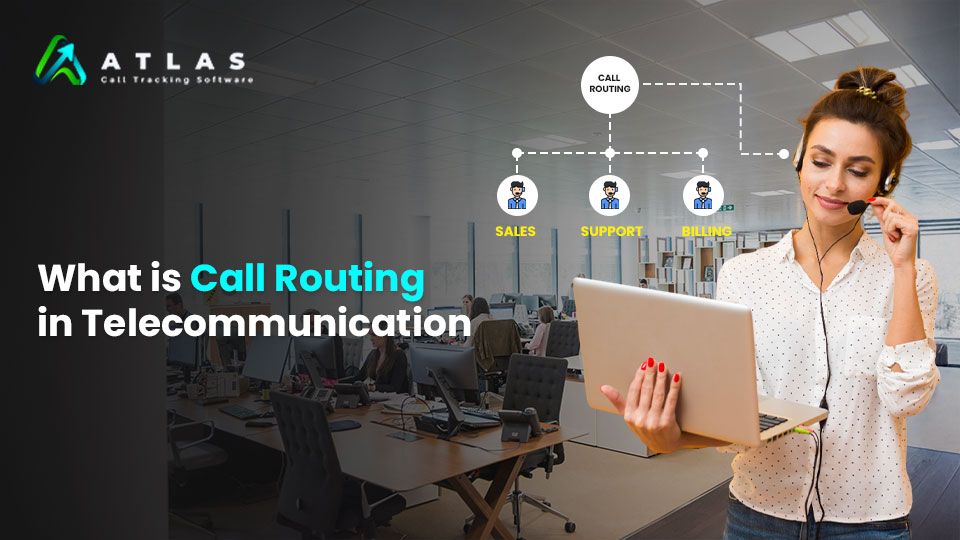
what is call routing in telecommunication?

What is Call Routing in Telecommunication?

In the fast-paced world of telecommunication, efficient and intelligent call management is vital for customer satisfaction and business productivity. Call routing plays a crucial role by automatically directing incoming calls to the most appropriate department, agent, or location based on predefined criteria. This ensures that customers are not left waiting or transferred multiple times, reducing frustration and improving overall experience. Call routing uses rules, algorithms, and caller information (like time, location, or purpose of call) to determine the best path for each call. Whether it’s a contact center handling hundreds of calls per hour or a small business managing client inquiries, call routing ensures calls are handled promptly and by the right people. Types of Call Routing for Telecommunication Businesses There are several types of call routing tailored to different needs in the telecommunication industry. Below are the most common categories: 1. Automatic Call Distributor (ACD) ACD systems route calls based on predefined rules. They’re commonly used in large contact centers and can distribute calls evenly or based on agent availability, call history, or customer profile. 2. Interactive Voice Response (IVR) Systems IVRs guide callers through a menu using voice or keypad inputs, directing them to the right department or agent. While technically different, many IVRs work in tandem with routing engines to ensure efficient call direction. 3. Cloud-Based Call Routing Software Hosted on cloud servers, these solutions are scalable, cost-effective, and accessible from anywhere. Ideal for remote teams or businesses with multiple branches. 4. PBX-Based Routing Systems These are traditional private branch exchange systems with built-in routing capabilities, often used by enterprises with on-premise telephony infrastructure. 5. CRM-Integrated Call Routing This type integrates with Customer Relationship Management systems and uses customer data to intelligently route calls—for example, sending a repeat caller directly to their previous agent. Methods of Call Routing Modern call routing systems use several advanced techniques to ensure optimal call handling. Here are the most widely used methods: 1. Time-Based Routing Routes calls based on the time of day, week, or business hours. For example, during business hours, calls go to in-office agents; after hours, they go to voicemail or remote support teams. 2. Geographic Routing (Geo-Based) Calls are directed based on the caller’s location. A caller from Delhi, for instance, may be routed to a regional office or an agent fluent in the local language. 3. Skill-Based Routing One of the most efficient methods, skill-based routing sends calls to agents based on their expertise. For example, a call about billing goes to a finance-trained agent, while technical queries go to a support specialist. 4. Priority-Based Routing High-priority callers, such as premium customers, are routed to senior or more experienced agents to ensure fast and quality support. 5. Round-Robin Routing Distributes calls evenly across all available agents, ensuring balanced workloads and reducing burnout. 6. Least Idle Routing Directs calls to the agent who has been idle the longest, helping ensure fair workload distribution. 7. Data-Driven or CRM-Based Routing Uses customer data and interaction history to determine the most suitable agent or department, improving personalization and resolution speed. How Does Call Routing Work? Call routing functions through a combination of algorithms, databases, and communication protocols. Here’s a step-by-step breakdown of how it typically works: Step 1: Incoming Call Received When a customer places a call, the system receives it through VoIP, PSTN, or a telephony gateway. Step 2: Caller Information Collected The system gathers key information such as caller ID, geographic location, call time, or even data from previous interactions if integrated with a CRM. Step 3: IVR Menu Interaction (Optional) If an IVR is in place, the caller may interact with a menu (“Press 1 for Sales, 2 for Support…”) which helps the system understand the intent of the call. Step 4: Application of Routing Logic Based on the input, the routing engine matches the call with the most appropriate routing rule—time-based, skill-based, location-based, etc. Step 5: Call Distribution The software checks the availability of agents, their skill levels, and other parameters. It then assigns the call to the best-suited representative or department. Step 6: Performance Monitoring Throughout the call, the software can monitor and log data such as call duration, agent performance, and customer satisfaction. This data helps in refining routing rules over time. Step 7: Real-Time Adjustments Many advanced routing systems use AI or machine learning to adapt call flows in real-time—diverting calls to overflow agents during high volume periods or predicting customer intent. Call Routing Rules and Methods Call routing rules are the foundation that determine how incoming calls are managed and directed. These rules are configured based on business objectives, customer needs, and agent availability. The methods used vary depending on the type of call, time, and caller information. Common Call Routing Rules Include: Routing Methods Recap: By combining these rules and methods, businesses can create a dynamic and efficient call routing system that adapts to real-time needs. Why is Call Routing Beneficial for Telecommunication Business? 1. Enhanced Customer Experience Customers reach the right person faster, with less frustration. This boosts satisfaction and loyalty. 2. Reduced Wait Times Smart routing avoids unnecessary transfers and optimizes agent workflows, reducing Average Handle Time (AHT). 3. Improved Agent Productivity Calls are directed based on skills and availability, preventing overload and enabling better service delivery. 4. Scalable Infrastructure As businesses grow, cloud-based call routing solutions scale effortlessly across locations and devices. 5. Data-Driven Insights Advanced systems offer analytics on call patterns, agent performance, and customer satisfaction, supporting smarter business decisions. 6. Cost Efficiency Fewer missed calls and optimized routing reduce operational costs and increase revenue per call. Industry Use Cases: Call Centers, BPOs, and More Call routing software is used across several sectors. Here are key industry applications: 1. Call Centers High-volume inbound environments benefit from intelligent routing to reduce wait times, increase first-call resolution (FCR), and improve KPIs. 2. BPOs (Business Process Outsourcing) With multiple clients and services, BPOs use routing rules to allocate calls by campaign, client, or service level agreement (SLA). 3. Healthcare

What is Call Routing in Telecommunication? Read More »

How Call Routing Software Transforms Business Communication

How Call Routing Software Transforms Business Communication – Mastering Customer Connections

In today’s hyper-connected world, customer expectations have evolved. They demand instant, efficient, and personalized support—regardless of the industry. This shift has made call routing software an essential tool for businesses aiming to provide seamless communication experiences. At the heart of this transformation is Atlas, a robust call tracking and routing solution tailored for modern businesses and marketing agencies. What is Call Routing Software? Call routing software is a system that automatically directs incoming calls to the most appropriate department, agent, or destination based on pre-set rules. Whether it’s time-based, skill-based, or location-based routing, this technology ensures calls are handled by the right person, at the right time. Why Call Routing Matters for Business Communication How Atlas is Transforming Call Routing Atlas isn’t just a call tracking platform—it’s built to optimize every layer of call-based communication, especially for multi-location businesses and marketing agencies. Here’s how: Conclusion: Smart businesses understand that phone calls still drive significant revenue—and mishandling them is no longer an option. With call routing software like Atlas, you’re not just managing calls; you’re mastering customer connections. The result? Happier customers, more efficient teams, and a stronger bottom line.

How Call Routing Software Transforms Business Communication – Mastering Customer Connections Read More »

top 13 virtual phone number providers in india

Top 13 Virtual Phone Number Providers in India (2026)

In today’s digital-first business landscape, virtual phone numbers are no longer a luxury — they’re a necessity. Whether you run a startup, a growing business, or a large enterprise, a virtual number helps you connect with your customers more professionally, efficiently, and cost-effectively. Especially in India’s booming market, businesses are rapidly adopting cloud telephony and virtual communication tools to stay competitive. In this blog we’ll cover the Top 13 Virtual Phone Number Providers in India for 2026. We’ll dive deep into each platform’s description, key features, best for which type of business and what makes them stand out. What is a Virtual Phone Number? A virtual phone number is a telephone number that isn’t directly tied to a specific phone line or device.Instead, it routes calls through the cloud (internet or telephony servers) to any device — mobile, landline, desktop, or application — based on your settings. Think of it as a flexible number you can control and manage entirely online, making it perfect for businesses that want: Key Concepts to Understand: Why are Virtual Phone Numbers Essential for Businesses in 2026? 1. Customer Reachability:Customers can contact your business at any time, without you being tied to a physical office. 2. Professional Brand Image:Using business numbers (toll-free, city-specific, or vanity numbers) looks more credible than using a personal mobile number. 3. Cost-Effectiveness:No expensive infrastructure. Pay as you grow. Options for local, national, or international numbers. 4. Advanced Features:Access to IVR (press 1 for sales, press 2 for support), call tracking, call recording, analytics, and integrations with CRM software. 5. Remote and Hybrid Work:Perfect for work-from-anywhere setups, where calls can be answered from laptops, mobiles, or remote call centers. 6. Lead Management and Marketing Attribution:Track which campaigns are bringing calls (and customers) by assigning different virtual numbers to different marketing activities. Which Types of Virtual Phone Numbers Are Available? When selecting a provider, you must know the types of virtual numbers available: How to Choose the Best Virtual Number Provider in India? Here’s a detailed step-by-step guide: 1. Understand Your Business Needs 2. Check for Regulatory Compliance 3. Evaluate Core Features Look for these essential features: 4. Prioritize Scalability and Flexibility 5. Review Uptime and Reliability 6. Check Customer Support and Onboarding 7. Analyze Pricing Models What Emerging Trends Are Shaping Virtual Phone Numbers in 2026? The Top 13 Virtual Number Providers in India Provider Best For Highlight Feature Atlas BPOs, pay-per-call advertisers Intelligent Call Routing Exotel Large customer support teams Smart IVR and Call Analytics Knowlarity (Gupshup) Enterprises, political campaigns Automated Lead Tracking MyOperator Retail chains, education sector Mobile App for Call Management Servetel SMBs and NGOs Voice Broadcasting CallHippo SaaS startups and remote teams International Reach Ozonetel Contact centers, tech support AI-Powered Voice Solutions CloudConnect Startups, SMEs Mobile-first Cloud PBX Tata Tele Business Services Corporates, BFSI Carrier-grade Security Karix E-commerce, fintech companies Multichannel Engagement MCube Customer support and sales teams Click-to-Call APIs Knowmax Customer Experience (CX) teams Knowledge-Driven Communication BSNL Cloud Telephony Local Businesses, Government Affordable Nationwide Service Here is the List of the 13 Best Virtual Phone Number Providers in 2026 1. Atlas Website: demo-old.callatlas.io Description: Atlas is the fast emerging call tracking software who provides virtual phone numbers in India and in other countries also. As we provide instant activation of numbers through our portal where you can purchase single as well as in bulk. From us you can create you custom number according to your choice like starts with, ends with and contains any specific number. For that number you can use our call recording and call reporting feature for better use and advanced real-time analytics of your call data in our dashboard. Key Features: Ideal for:BPOs, tech startups, customer support centers, pay-per-call advertisers. 2. Exotel Website: exotel.com Description: Exotel has been a market leader in India’s cloud telephony industry for years. Their virtual numbers empower businesses with IVR systems, call masking, and advanced call analytics. Exotel’s robust infrastructure and focus on reliability make it a preferred option for many mid-to-large enterprises. Key Features: Ideal for:Banks, EdTech companies, large customer support teams. 3. Knowlarity (Now part of Gupshup) Website: knowlarity.com Description: Acquired by Gupshup, Knowlarity continues to deliver enterprise-grade virtual phone solutions in India. Their platform specializes in automated call management, providing multi-level IVR, lead management, and seamless call tracking. Key Features: Ideal for:Large enterprises, political campaigns, real estate companies. 4. MyOperator Website: myoperator.com Description: MyOperator offers an easy-to-use cloud communication system, enabling businesses to centralize customer interactions. Its virtual number service ensures no customer call is ever missed and comes with powerful automation features. Key Features: Ideal for:Retail chains, hospitals, educational institutions. 5. Servetel Website: servetel.in Description: Servetel is a reliable cloud telephony provider specializing in affordable virtual phone numbers for Indian businesses. They offer flexibility with local, mobile, and toll-free numbers to help businesses scale customer communication easily. Key Features: Ideal for:SMBs, NGOs, marketing agencies. 6. CallHippo Website: callhippo.com Description: CallHippo provides international and domestic virtual phone numbers, focusing heavily on easy setup and global reach. Their India-specific services cater especially to tech startups, freelancers, and growing businesses looking for affordable options. Key Features: Ideal for:SaaS startups, international sales teams, remote businesses. 7. Ozonetel Website: ozonetel.com Description: Ozonetel offers cloud-based communication-as-a-service solutions, enabling businesses to deliver exceptional customer support. Their CloudAgent platform gives access to powerful virtual number features customized for Indian businesses. Key Features: Ideal for:Contact centers, tech support, political campaigns. 8. CloudConnect Communications Website: cloud-connect.in Description: CloudConnect is India’s first fully licensed Virtual Network Operator (VNO) offering cloud-hosted PBX and mobile-first solutions. It stands out for its seamless VoIP-based communication tailored specifically for Indian SMBs and startups. Key Features: Ideal for:Startups, SMEs, hybrid workforces. 9. Tata Tele Business Services Website: tatatelebusiness.com Description: Tata Tele Business Services (TTBS) is a trusted name among India’s business communication providers. Their Smartflo Cloud Communication Suite offers virtual phone numbers, IVR, and a range of cloud telephony solutions with carrier-grade security. Key Features: Ideal for:Corporates, BFSI sector, healthcare organizations. 10. Karix (A Gupshup Company) Website: karix.io

Top 13 Virtual Phone Number Providers in India (2026) Read More »